







Search Results for: Using Coffee Grounds to Grow Flowers
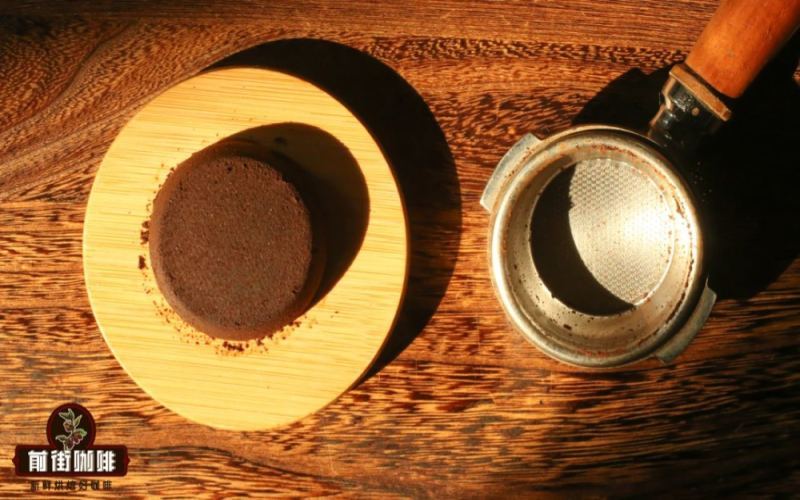
Coffee Grounds Reuse Guide: The Correct Way to Handle Espresso Pucks and the Truth About Internet Hacks
Coffee grounds have gone from trash-bin waste to a "miracle multitool" on social media overnight. Growing flowers, applying to the face to reduce swelling, using in the bath to exfoliate and lose weight... all kinds of uses are being frantically shared. But people who tried them found: the flowers died, the face swelled up, the drain got clogged. Are these viral internet uses actually reliable? And what are the genuinely reasonable uses for coffee grounds? This article will sort through the ins and outs of coffee ground reuse one by one, uncover the truth behind those misrepresented folk remedies, and tell you how espresso pucks should really be handled in a scientific way. If you happen to have Front Street Coffee espresso blend beans and the pucks left after pulling a shot, you might want to read on. [more…]

What Can Coffee Grounds Actually Do? Are They Reliable for Gardening, Face Masks, and Bathing? A Clear Guide to the Correct Uses
Coffee grounds have transformed from waste into an internet-famous wonder, with social media platforms overflowing with clever uses for them—growing flowers, reducing facial puffiness, exfoliating in the shower, even losing weight. Yet those who try these tricks often end up with disasters: dead plants, swollen faces, clogged drains. Which of these popular uses actually hold up, and which are traps? This article starts with Starbucks' environmental initiative of giving away free coffee grounds, then examines one by one the scientific basis behind claims like using coffee grounds to grow flowers, reduce dark circles under the eyes, ease facial swelling, and aid weight loss in the shower—telling you what coffee grounds are truly good for and what details to watch out for when using them. If you've also accumulated a pile of coffee grounds and don't know what to do with them, or are thinking of jumping on the bandwagon, you might want to finish reading this first before you start. [more…]
A Complete Guide to Hawaiian Kona Coffee Beans: Terroir, History, and Grading and Processing Methods Explained
Kona coffee comes from the western coast of the Big Island of Hawaii in the United States. It is as famous as Jamaican Blue Mountain coffee, and together they have long been praised as "one king and one queen." The unique island climate and volcanic soil here allow coffee to grow full and flavorful even at the relatively low elevation of 200 to 800 meters. From coffee first being introduced in 1817, to missionaries promoting large-scale cultivation, to Guatemalan Typica replacing Brazilian varieties, Kona coffee endured pests and waves of industry change before finally achieving its current specialty status. Its green beans are known for their plump, jade-like appearance, and strict grading standards and hand sorting ensure quality. This article will systematically introduce the terroir conditions, historical development, green bean grading, and washed processing method of the Kona producing region, and share Front Street Coffee's roasting and brewing suggestions, giving you a comprehensive understanding of this world-class specialty coffee. [more…]

Ethiopian Natural Sidamo Queen of Flowers Coffee: A Complete Guide to Heirloom Flavors, G1 Grade, and Pour-Over Parameters
Front Street Sun-Dried Sidamo Huakui coffee is renowned for its elegant floral aroma and rich fruity notes; it is sweet on the palate with a honey-like finish, yet very affordable at only 65 yuan for half a pound. Ethiopia, the birthplace of Arabica, is home to two renowned specialty regions—Yirgacheffe and Sidamo—each with distinct characteristics: the former uses washed processing to showcase a clean, bright jasmine aroma, while the latter uses natural processing to give the coffee a richer fragrance and sweetness. Huakui is the flagship representation of Sidamo natural beans. This article will walk you through the terroir of the Sidamo region, the origins of the Heirloom native variety used in Huakui, Ethiopia's G1 grading standard, and Front Street's recommended V60 brewing parameters, offering a comprehensive analysis of this bean's flavor code. [more…]

Typica Coffee: The Spread of an Ancient Arabica Variety and an Analysis of Blue Mountain Flavor
Typica, one of the oldest varieties of Arabica coffee, set out from Ethiopia and spread through Yemen, India, Europe, Southeast Asia, and Central and South America, ultimately shaping the global landscape of coffee-producing countries. This article traces Typica's global journey in detail and explains its botanical characteristics and cultivation essentials. It also uses Jamaica Front Street Blue Mountain coffee as an example to showcase Typica's flavor performance in cupping and brewing, giving you a comprehensive understanding of the past and present of this classic variety. [more…]
The Colombian Sidra Favored by WBC Champions: Variety Origins, Genetic Lineage, and Flavor & Brewing Analysis
In the past two years, a coffee variety called "Sidra" has rapidly risen to fame in the specialty coffee circle. Two WBC champions each won with Sidra lots from Colombia's Palma y El Tucán estate and Finca El Diviso, propelling this experimental variety—once relegated to the fields—onto the world stage. In Spanish, Sidra means apple juice or cider. It is generally considered a hybrid descendant of Typica and Red Bourbon, but WCR genetic identification shows it is closer to Ethiopian landraces, and its origins remain unclear to this day. In this article, Front Street Coffee will sort through Sidra's origin story, genetic research, plant characteristics, and flavor performance, and share a cupping experience and pour-over recommendations for Finca El Diviso's anaerobic natural Sidra, giving you a comprehensive understanding of this champion variety that combines floral aromatics with high-sweetness fruit notes. [more…]

A Complete Guide to Ethiopia's Yirgacheffe Region: Washed Processing, Medium-Light Roast, and Pour-Over Flavor Guide
Yirgacheffe is one of Ethiopia's most iconic specialty coffee regions. With its white floral aromatics, citrus notes, and a clean, green-tea-like clarity, it is celebrated as "a burst of blossoms the moment it touches your lips." This article takes a systematic look at where Yirgacheffe's flavor comes from and the key points of extraction—from the region's history, washed processing methods, and the logic of medium-light roasting, to the pour-over parameters used at Front Street Coffee's cafés. Whether you are a newcomer just getting started or an advanced enthusiast, you will come away understanding why this bean has become a landmark of the fruity-acidity coffee era, and how to fully unlock its terroir through sound brewing technique. [more…]
The Journey of Typica Coffee from Ethiopia to the World and a Flavor Comparison of Blue Mountain Washed vs. Natural
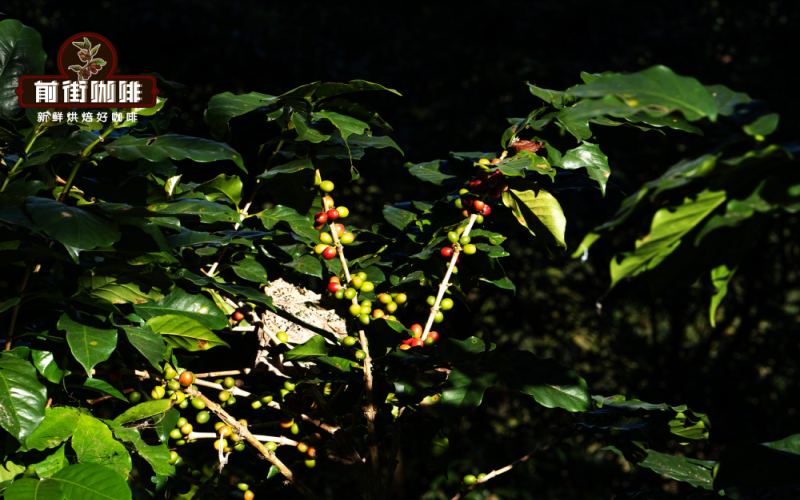
Typica is one of the oldest varieties of Arabica coffee and today accounts for a significant share of global Arabica production. It originated in Ethiopia and traveled through Yemen, India, Europe, and Southeast Asia before finally taking root in Central and South America and Hawaii, shaping the development landscape of the world's coffee-producing countries. This article will trace Typica's global journey, introduce its botanical characteristics and cultivation process, and use Jamaican Blue Mountain as an example to compare the flavor profiles of washed and natural processing methods. Through roasting, cupping, and brewing, Front Street Coffee presents the delicate, clean character of Blue Mountain Typica, offering a reference for coffee enthusiasts. [more…]

A Complete Guide to Cold Brew Coffee: Coffee-to-Water Ratio, Brewing Time, and Choosing the Right Beans
On a scorching summer day, a glass of cold brew coffee always brings refreshing coolness. However, why is cold brew coffee so expensive? How does it differ from iced brewed coffee and Dutch coffee? This article will break down in detail the origins, principles, and optimal tasting period of cold brew coffee, and focus on sharing key brewing parameters such as the coffee-to-water ratio and drip flow rate. At the same time, Front Street Coffee will, based on daily brewing experience, recommend light-to-medium roasted coffee beans suitable for cold brew, including sun-dried Huakui, Flower Butterfly, Strawberry Candy, and Fruit Ding Ding, helping you make a mellow and sweet cup of cold brew coffee at home. [more…]
Panama Geisha Coffee Flavor Analysis and Three Brewing Methods: Pour-Over, French Press, and Cold Brew
Panama Geisha coffee is world-famous for its floral aroma, tropical fruit notes, and intense sweetness, making it a star variety in specialty coffee. It originates from ancient heirloom varieties in Ethiopia, was later introduced to Panama via Costa Rica, and rose to fame after being discovered by Hacienda La Esmeralda. Different terroirs across producing regions give Geisha strikingly different flavor expressions. This article will guide you through Geisha's historical origins, the characteristics of Panama's producing regions, and its cupping flavors, and will also detail three brewing methods for Front Street Coffee Geisha—pour-over, French press, and cold brew—so you can easily present this cup of floral, aromatic specialty coffee at home. [more…]
Typica Coffee Bean Variety Characteristics and Global Propagation History: Typica Cultivation and Flavor Through the Lens of Front Street Blue Mountain
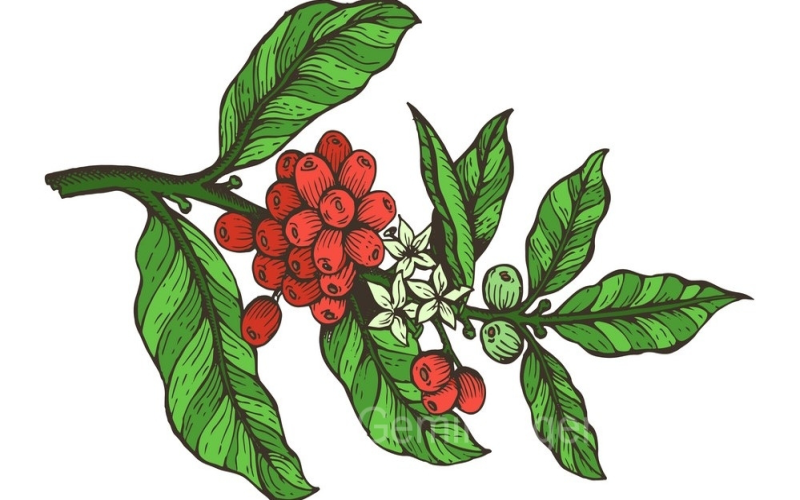
Typica is one of the oldest varieties of Arabica coffee. Starting from Ethiopia, it traveled through Yemen, India, Europe, and Southeast Asia, and ultimately took root in Central and South America, shaping the map of today's coffee-producing countries around the world. This article will systematically review Typica's botanical characteristics and global spread, and provide a detailed reconstruction of how a single Typica seed grows into a coffee tree. At the same time, Front Street Coffee will combine the roasting, cupping, and brewing practices of Jamaican Blue Mountain Typica to help you experience the clarity, cleanliness, and balanced flavor of this classic variety. [more…]
A Full Analysis of the Origin Legend and Flavor Characteristics of Each Generation of Ethiopian Gesha Coffee Beans
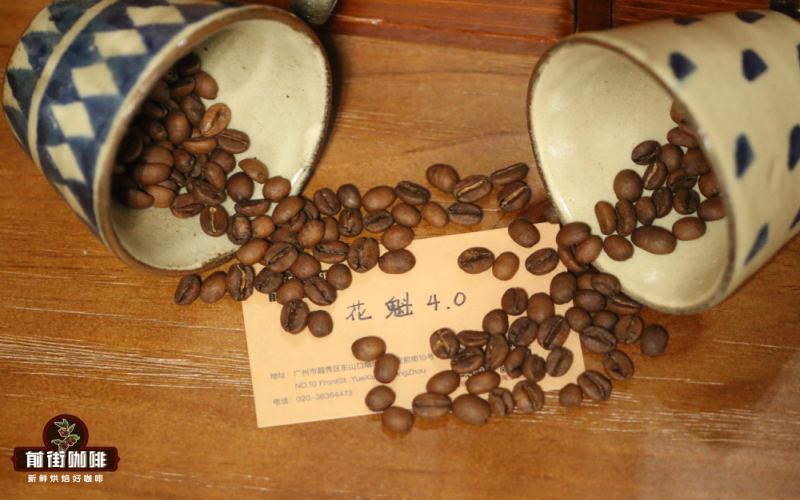
Huakui coffee is one of the most talked-about natural beans from Ethiopia in recent years, winning over countless coffee lovers with its signature strawberry-cream flavor. Why was this bean given the name "Huakui" (meaning "chief of flowers")? From its 2017 TOH championship to today's Huakui 5.0 and 6.0, what is the connection and difference between the various versions? From the perspective of Front Street Coffee, this article sorts out the origin of the Huakui name, its version evolution, producing-area background, and variety characteristics, and also includes Front Street's roasting approach and V60 brewing parameters, giving you a comprehensive understanding of this Ethiopian coffee that combines both story and flavor. [more…]
Panama Boquete Geisha and Butterfly Coffee Variety Analysis and Front Street Brewing Guide
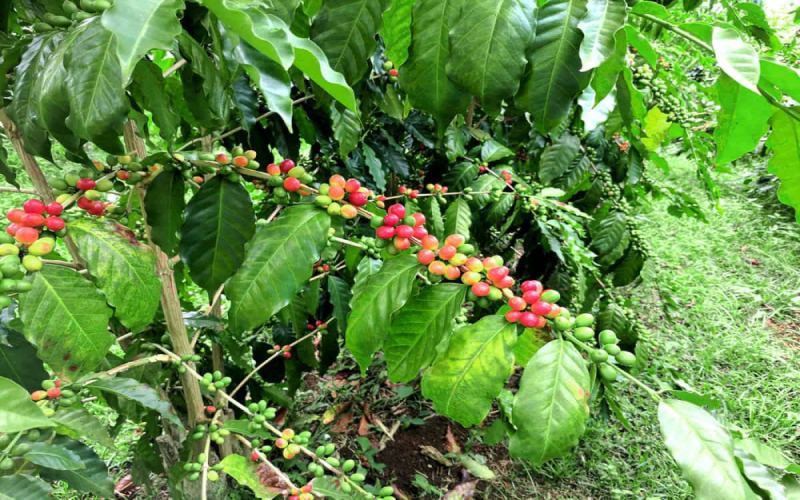
This article takes an in-depth look at two stars of Panamanian specialty coffee—Geisha and Butterfly. Geisha originated in Ethiopia and rose to world fame at Hacienda La Esmeralda in the Boquete region, becoming a frequent champion in auctions thanks to its floral and citrus flavors; Butterfly, meanwhile, is a blend of Geisha with Caturra and Catuai, and with its 70% Geisha genetics and affordable price, it has become an excellent choice for those looking to get a taste of Geisha flavors. The article sorts through the variety's history, regional terroir, processing methods, and brewing parameters, and shares Front Street Coffee's brewing suggestions and fresh-roasting philosophy, giving you a comprehensive understanding of the unique charm of Panamanian coffee. [more…]
Exploring the Flavor and Story of CHAKA Chaka Natural Geisha from Ethiopia's Gesha Village Estate
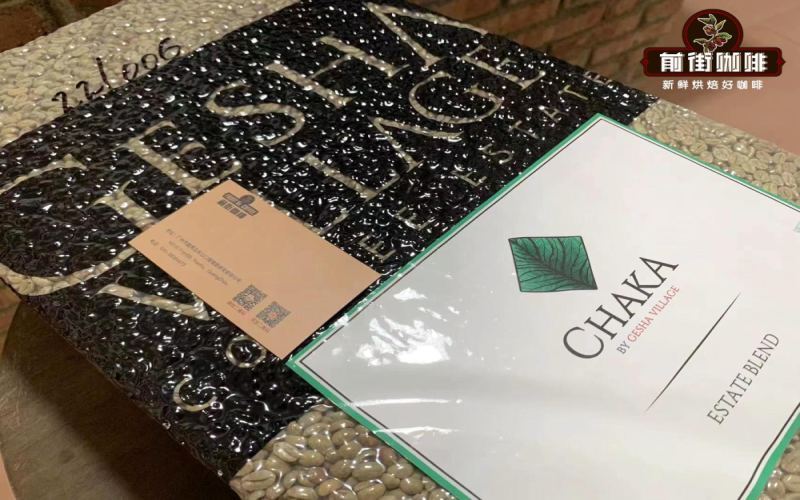
Deep in the primordial forests of Bench Maji, Ethiopia, Gesha Village Estate has cultivated CHAKA, a limited-edition project, through an almost obsessive approach to variety selection and cultivation management. It originates from the native varieties of the Gori Gesha forest, sharing the same roots as Panamanian Geisha yet following a completely different flavor path. From Adam and his wife's dream-seeking journey, to Willem Boot's dedicated guidance, and to Front Street Coffee's cupping selection, the CHAKA natural batch is unforgettable for its full berry notes and creamy smooth texture. This article will give you a comprehensive understanding of Gesha Village's varietal lineage, the origins of CHAKA and its processing differences, and share Front Street's recommended brewing parameters and flavor experience. [more…]

An In-Depth Comparison of Green Mountain Coffee and Blue Mountain Coffee: Flavor and Taste Differences and an Analysis of the Reasons Behind Blue Mountain's High Price
Green Mountain Coffee and Blue Mountain Coffee differ by only one character in their names, but they are completely different in essence, origin, and positioning. Green Mountain Coffee is a commercial brand founded in Vermont, USA, focused on the convenient and affordable K-Cup single-serve system; Blue Mountain Coffee, on the other hand, is a top-tier Arabica coffee produced in the Blue Mountains of Jamaica, famous for its balanced and elegant flavor. This article will analyze in detail the characteristics and flavor differences of both, as well as the history and yield factors behind the high price of Blue Mountain Coffee, and bring you Front Street Coffee's brewing suggestions for Blue Mountain No. 1. [more…]
Exploring the Ethiopia Gesha Village Estate Chaka Limited Project: Flavor Differences Between Washed and Natural Processing and Pour-Over Recommendations
Located in the Bench Maji region of Ethiopia, Gesha Village Coffee Estate has been renowned for cultivating native Geisha varieties since its founding in 2011. Its limited-edition project brand Chaka grows in the Gori Gesha forest and primarily covers three varieties: Gori Gesha, Gesha 1931, and Illubabor. This article walks you through the origins of Chaka, the connection between Gesha Village and Panama Geisha, and the differences in cup profile between washed and natural processing methods. After comparison, Front Street Coffee chose to offer the natural lot, and shares brewing parameters and flavor descriptions under a medium-light roast, making it a useful reference for Ethiopian coffee enthusiasts. [more…]
Yunnan Coffee Brand Roundup: Which Brands Sell Authentic Yunnan Small-Bean Coffee
Yunnan is one of the few regions in China capable of growing Arabica coffee, and its reputation has been rising steadily in recent years, with more and more specialty coffee shops prioritizing Yunnan beans on their shelves. Front Street Coffee has maintained an estate in Lincang, Yunnan since 2013, personally taking part in cultivation and promotion. Currently, Yunnan coffee is dominated by the Catimor variety, while Typica is grown less due to its low yield and susceptibility to leaf rust—though it boasts excellent flavor. Yunnan coffee overall has a balanced flavor profile, characterized by nutty and brown sugar notes, with acidity that is not particularly pronounced. This article reviews the current state of Yunnan coffee varieties, growing conditions, and cupping performance, and introduces the Yunnan small-bean coffee and sun-dried Typica currently sold by Front Street, along with brewing parameters, for coffee enthusiasts' reference. [more…]
The Flavor Truth of Yunnan Washed Catimor Arabica Coffee and an Analysis of Its Path to Specialty Status
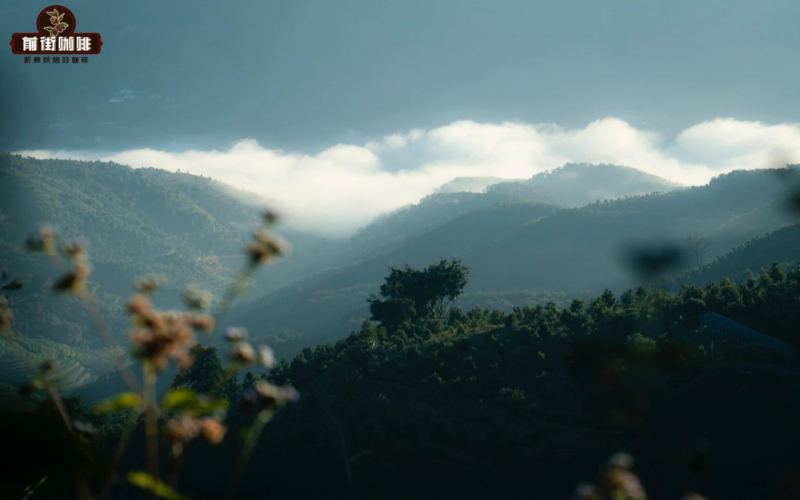
Yunnan coffee is gaining increasing recognition within China, yet most enthusiasts have limited understanding of its varietal composition and current specialty status. Front Street Coffee currently offers two Yunnan beans: the Typica variety is classified under the specialty series, while the Catimor variety is conventionally called Yunnan small-batch coffee in the market. Both are medium-roasted to present a balanced profile of nuts, brown sugar, and soft fruit acidity. This article will trace the varietal origins of Yunnan Catimor, its shifting fortunes relative to Typica, analyze the impact of high-altitude cultivation and post-processing on flavor, and share Front Street Coffee's five-year cultivation practice from seed to cupping. At the same time, we will verify rumors one by one regarding Yunnan green bean competition scores, CQI records, and other claims, exploring the real path of Yunnan coffee toward specialty status. [more…]
Panama Butterfly Geisha Blend Coffee: Variety Composition, Washed Processing, and Floral Flavor Analysis
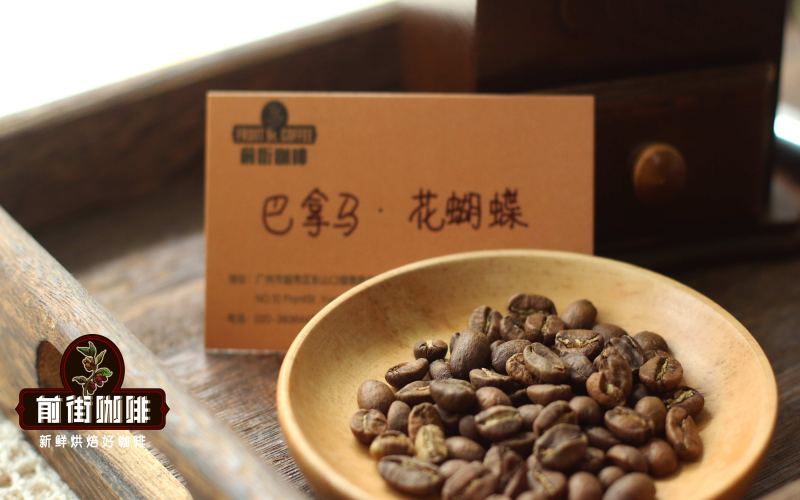
A question that customers often ask about the Panama Butterfly coffee beans offered by Front Street Coffee is: does a Geisha blend actually count as a single-origin bean? This article begins with the growing history of the Boquete production region, sorts out the varietal composition of this bean—70% Geisha paired with Caturra and Catuai—and traces Geisha's path from the primitive forests of Ethiopia to overnight fame in Panama. It also explains in detail the washed processing flow, the medium-light roast profile, and the V60 staged brewing parameters, along with a cupping report. After reading, you will understand why this Front Street Panama Butterfly delivers impressive performance in floral aroma, acidity, and body. [more…]

Analysis of the Differences Between Huakui 9.0, 8.0, and the New Harvest Hambela Huakui: A Full Overview of Ethiopian Heirloom Variety Flavor Characteristics
As the birthplace of coffee, Ethiopia's native Heirloom varieties always showcase unique styles across different regions. Front Street Coffee's Huakui is produced in the Hambela sub-region of the Guji zone, and has attracted much attention since winning the TOH championship in 2017. As the new harvest season arrives, Front Street Coffee's Huakui 9.0 has arrived as promised. This article will explore the differences between Huakui 9.0, Huakui 8.0, and the new-season Hambela Huakui, while also discussing what makes Ethiopian native varieties so special, and sharing Front Street Coffee's roasting and brewing suggestions for this new bean, giving you a comprehensive understanding of this coffee full of fruity flavors. [more…]